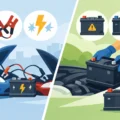
Major Car Service Checklist for Better Reliability
A skipped service usually does not fail all at once. It shows up as weak AC in traffic, longer braking distance, rough shifting, poor fuel economy, or a battery that quits when you are already late. That is why a major car service checklist matters. It keeps small wear items from turning into roadside problems, expensive repairs, and lost time.
For most drivers, a major service is not just an oil change with a quick visual inspection. It is a deeper, scheduled check of the systems that affect safety, drivability, cooling, braking, charging, and engine health. In a city like Dubai, where heat, traffic, and stop-and-go driving put extra stress on vehicles, major service intervals are not something to push back casually.
What a major car service checklist should cover
A proper major service checks the vehicle as a working system, not as a few isolated parts. The goal is to find wear before it becomes a breakdown and to replace fluids and components that naturally degrade over time.
The exact scope depends on the make, model, mileage, and whether the car is 4-cylinder, 6-cylinder, or 8-cylinder. But a reliable major service checklist should cover engine oil and filter replacement, air and cabin filters, spark plugs where applicable, brake inspection, battery and charging system testing, tire condition, fluid checks, belts, hoses, suspension basics, AC performance, and a diagnostic scan.
That might sound straightforward, but the quality of the service depends on how thoroughly each item is checked. A fast workshop can change oil and call it done. A professional service team looks for the reason your car may be using oil too quickly, why the coolant level keeps dropping, or why brake pads are wearing unevenly.
Engine oil, filters, and combustion components
Oil service is the starting point, not the full job. During a major service, the old engine oil is drained, the filter is replaced, and the correct grade of oil is installed based on manufacturer requirements and operating conditions. Using the wrong oil may not create an immediate failure, but it can affect lubrication quality, engine wear, and long-term performance.
Air filtration also matters more than many drivers realize. A clogged engine air filter can reduce airflow and efficiency, while a dirty cabin filter affects AC performance and interior air quality. In dusty conditions, these parts often need attention sooner than owners expect.
Spark plugs are another key checkpoint in a major service checklist. Worn plugs can cause rough idle, weak acceleration, hard starting, and higher fuel consumption. On some vehicles, replacing plugs is simple. On others, it takes more labor and should be timed carefully with the scheduled interval. This is where transparent pricing and a clear service scope matter.
Brake system inspection is non-negotiable
Brakes should never be treated as a wait-and-see item. A major service should include pad thickness checks, rotor condition, brake fluid inspection, and a review of brake response. If there is vibration, squealing, pulling, or a soft pedal, the inspection needs to go beyond the basics.
Brake fluid is often ignored because the car still stops. That is exactly why it gets missed. Over time, brake fluid absorbs moisture, which can reduce braking performance and affect internal components. If the fluid is old or contaminated, replacing it is a preventive move that protects both safety and the braking system itself.
Not every vehicle needs brake pads, rotors, and fluid service at the same visit. It depends on mileage, driving style, traffic exposure, and previous maintenance. What matters is getting a real measurement and a clear recommendation rather than guessing from noise alone.
Cooling system checks prevent expensive engine damage
Heat is hard on cars. A major service should include coolant level and condition checks, radiator inspection, hose condition, fan operation, and a look for leaks around the water pump, reservoir, and connections. Overheating is one of the fastest ways to turn a manageable service into a major repair bill.
Coolant does more than keep temperature down. It also protects against corrosion inside the cooling system. If the coolant is old, diluted incorrectly, or leaking, your engine is operating with less protection than you think.
This is one area where delays cost more. Drivers often notice a temperature rise only after the system has already been struggling. A proper inspection during scheduled service is far cheaper than engine damage, head gasket failure, or a recovery call in peak traffic.
Battery, charging, and electrical checks
A battery can test fine one week and fail under heat stress the next. That is why battery voltage, charging output, and terminal condition should be part of any major service checklist. If starting feels slow, lights dim at idle, or the battery is approaching the end of its expected life, testing should be taken seriously.
Alternator performance also matters. Replacing a battery without checking the charging system can solve the symptom but miss the cause. A complete service checks both. It should also include a review of obvious electrical faults, warning lights, and any stored fault codes picked up through diagnostics.
For drivers who depend on their car daily, battery and charging issues are not minor inconveniences. They are a common reason for preventable breakdowns. Catching weak performance early saves time and avoids urgent roadside disruption.
Tires, suspension, and steering condition
Tires tell you a lot about the vehicle. Uneven wear can point to alignment issues, suspension wear, incorrect tire pressure, or steering problems. During a major service, technicians should inspect tread depth, sidewall condition, pressure, and wear patterns.
Suspension and steering checks should cover shocks or struts, bushings, joints, and any signs of looseness or noise. If the ride feels unstable, the steering feels vague, or the car pulls under braking, those issues should be investigated while the vehicle is already in service.
This is also where many drivers benefit from practical advice instead of generic upselling. Not every noise means immediate replacement. But ignoring early suspension wear usually leads to poorer handling, faster tire wear, and a more expensive repair later.
Transmission, fluids, and driveline review
A major service should include inspection of the transmission fluid, power steering fluid where applicable, brake fluid, washer fluid, and coolant. On some vehicles, transmission service is mileage-based and should not be skipped. On others, the condition of the fluid and driving symptoms help guide the timing.
If the car shifts harshly, hesitates between gears, or leaks fluid, that deserves attention before it becomes internal transmission damage. The same applies to driveline components that may show wear through vibration, clunking, or fluid seepage.
There is no one-size-fits-all interval here. Some cars can go longer between major driveline service items, while high-mileage or heavily used vehicles need closer monitoring. A dependable service provider should explain what is due now, what can wait, and why.
AC performance and cabin comfort still count
In Dubai, AC performance is part of vehicle reliability. If the system is blowing weak, taking too long to cool, or producing inconsistent temperatures, a major service is the right time to check it. That may include cabin filter condition, compressor operation, refrigerant level, and leak signs.
Waiting until the system fully fails is rarely the cheapest option. Low gas, blocked airflow, or early compressor strain can often be identified before the repair becomes bigger. For drivers carrying family, working long hours, or managing multiple daily trips, cabin comfort is not optional.
Why diagnostics belong in a major service checklist
Modern vehicles store fault data even before a dashboard warning becomes constant. A diagnostic scan helps identify hidden issues related to sensors, ignition, fuel delivery, emissions, battery charging, and more. Without that scan, a service may miss problems that are already developing.
Diagnostics are especially useful when the car feels different but no obvious part has failed yet. Rough idle, weak acceleration, poor mileage, and intermittent warning lights all benefit from a proper scan backed by technician interpretation. The scan alone is not the repair, but it is a critical part of making the service accurate.
How often should you book a major service?
That depends on your vehicle, mileage, and driving conditions. Manufacturer intervals are the baseline, but real-world use matters. Heavy traffic, high heat, short trips, and long idling can all justify more careful servicing.
If you are unsure, use your last service record and current mileage as the starting point. Then look at symptoms honestly. Weak braking, rough starts, fluid spots, unusual smells, vibration, and AC drop-off are all signs the car should be checked sooner, not later.
A provider like 800 Shelby Garage can make this easier by matching service packages to engine class and actual vehicle needs instead of forcing every car into the same generic job card. That saves time, reduces missed items, and gives you clearer value.
The best time to use a major car service checklist is before your car gives you a reason to wish you had. Book early, fix what is due, and let routine service do what emergency repairs never can – keep your day moving.