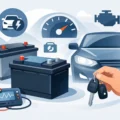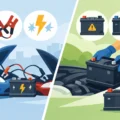
Battery Jump Start vs Replacement: Which Fix?
A car that will not start can derail a workday, leave your family waiting in a parking lot, or stop a delivery vehicle before its route begins. The practical question is battery jump start vs replacement: do you need a quick boost to get moving, or is the battery already at the end of its usable life? The right answer depends on the battery’s condition, the reason it discharged, and whether the vehicle’s charging system is working correctly.
A jump start is an emergency solution. A battery replacement is a reliability decision. Knowing the difference helps you avoid repeat breakdowns, unnecessary costs, and the risk of being stranded again hours or days later.
Battery Jump Start vs Replacement: The Key Difference
A jump start provides temporary power from another battery or a jump pack. It gives your starter enough energy to crank the engine. Once the engine runs, the alternator should recharge the battery while also supplying power to the vehicle’s electrical systems.
That does not mean the battery is healthy. A weak battery may accept enough charge to start the car once, then lose power again after a short stop. It may also be unable to hold a full charge, especially when temperatures are high and electrical demand is heavy.
Replacement means installing a correctly rated new battery after checking the vehicle’s battery condition, terminals, and charging performance. It costs more upfront than a jump start, but it is often the faster and more economical choice when the existing battery has failed.
When a Jump Start May Be Enough
A jump start can be the right call when the battery was drained by a clear, one-time event. Maybe interior lights were left on, a door was not fully closed, or the vehicle sat unused for an extended period. If the battery is relatively new and starts normally after it has been recharged, it may not need replacement.
It can also help when you need to move the vehicle immediately to a safer location or get to a workshop for proper testing. A professional roadside technician can jump-start the vehicle safely, inspect for obvious terminal corrosion or loose connections, and assess whether the battery is likely to recover.
After a jump start, drive long enough for the charging system to replenish some of the lost charge. A very short drive may not restore it. If the car starts reliably over the next few days, the issue may have been an isolated discharge. If it struggles again, do not keep relying on boosts.
A jump start is less likely to solve the problem when the battery is older, visibly swollen, leaking, badly corroded, or repeatedly losing charge. In those cases, another jump start only delays the next no-start situation.
Signs You Need a Battery Replacement
Most batteries give warning signs before they fail completely. Slow engine cranking is one of the clearest indicators. If the engine takes longer to turn over than usual, particularly first thing in the morning, the battery may no longer deliver enough starting power.
Dashboard battery warnings also need attention, although that light can point to an alternator or charging-system issue rather than the battery alone. Dim headlights at idle, electrical accessories that behave inconsistently, a clock or infotainment system that resets, and start-stop systems that stop operating can all signal low battery voltage.
Battery age matters as well. In Dubai’s demanding heat, battery life can be shorter than many drivers expect. A battery that is two to three years old deserves closer attention if it has started showing weak performance. Heat accelerates internal battery wear, and daily short trips can prevent a weakened battery from fully recovering.
Replace the battery promptly if you notice a swollen case, a sulfur-like smell, fluid leakage, cracked housing, or severe corrosion around the terminals. These are not conditions to ignore or manage with repeated jump starts. A damaged battery can be unsafe and may affect nearby components.
Why Testing Before Replacement Saves Time
Not every no-start problem is caused by a dead battery. A failing alternator may not recharge a healthy battery. Corroded terminals can restrict the current needed to start the engine. A loose ground connection, starter fault, electrical drain, or vehicle control-module issue can produce similar symptoms.
That is why a proper diagnostic check is more useful than guessing. A technician should assess battery voltage, cold-cranking performance, battery health, terminal condition, and alternator charging output. This identifies whether the battery itself is the problem or whether a new battery would simply be drained by an unresolved fault.
For example, if a new battery goes flat overnight, the vehicle may have a parasitic draw from an accessory or electrical circuit. Replacing the battery again will not correct that issue. The vehicle needs diagnostics to locate the source of the drain.
Professional testing also helps ensure that the replacement battery matches your vehicle’s requirements. Modern vehicles may require specific battery capacity, terminal layout, reserve capacity, or AGM battery technology. Installing the wrong type can lead to poor performance and may affect electronic features.
The Cost Trade-Off: Cheap Today or Reliable Tomorrow
A jump start is usually the lower immediate-cost option, and it makes sense when the battery was accidentally drained. But a cheap emergency fix becomes expensive in lost time when it is repeated. Multiple roadside calls, missed appointments, towing risks, and uncertainty each time you park can outweigh the cost of a replacement battery.
Replacement is the better value when testing confirms reduced battery health. It restores starting reliability and reduces the chance of a roadside failure. For busy professionals, families, and fleet operators, the real benefit is predictability. Your vehicle should start when you need it, not only after a boost.
There is still a trade-off. Replacing a battery without testing can waste money if the alternator or an electrical drain is the real cause. The best service approach is straightforward: diagnose first, explain the findings clearly, then recommend the right repair.
What to Do When Your Car Will Not Start
If the engine will not crank or only clicks, turn off nonessential electrical accessories. Do not repeatedly attempt to start the vehicle, as this can drain the remaining charge further. Check whether the lights are dim and whether the battery terminals appear loose or heavily corroded, but avoid handling a leaking or swollen battery.
Use a trained roadside service rather than improvising with damaged cables or an incorrect jump-start connection. Improper connections can create sparks, damage sensitive electronics, or cause injury. A qualified technician can safely provide a jump start, test the battery, and arrange immediate replacement if required.
Once the vehicle is running, avoid assuming the problem has disappeared. Watch for warning lights, weak cranking after the next stop, or electrical issues. These details help determine whether the battery was simply drained or is failing.
Preventing the Next Battery Failure
Battery problems are easier to manage when caught early. Schedule a battery and charging-system check during routine maintenance, especially before long trips or periods of extreme heat. Keep terminals clean and secure, and address dashboard warnings without delay.
If you drive only short distances, take occasional longer drives when practical or ask for battery testing during service. Short trips may not give the alternator enough time to restore the energy used during starting. Vehicles that sit unused for weeks may benefit from a maintenance charger or periodic inspection.
800 Shelby Garage provides rapid roadside jump starts, battery testing, and battery replacement when a quick boost is not enough. The goal is not to sell a battery you do not need. It is to get the correct diagnosis, the correct battery when required, and a vehicle you can depend on for the next trip.
When your car hesitates to start, treat it as an early warning rather than a minor inconvenience. A timely test can turn an unexpected roadside stop into a quick, planned repair.