Roadside Assistance vs Towing: Which Comes First?
A dead battery in a parking garage, a flat tire before work, or an engine warning light on a busy highway all create the same question: roadside assistance vs towing – which service do you actually need? The right call can get you moving within minutes. The wrong call can mean waiting longer, paying for unnecessary transport, or driving a vehicle that should not be on the road.
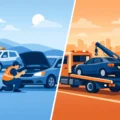
For most drivers, roadside assistance is the first response when the problem may be fixed where the car stopped. Towing is the right solution when the vehicle cannot be safely repaired onsite or should not be driven further. Knowing the difference helps you act quickly, protect your vehicle, and avoid disruption to your day.
Roadside Assistance vs Towing: The Key Difference
Roadside assistance is onsite support for common vehicle problems. A trained technician comes to your location, assesses the issue, and works to make the vehicle safe and drivable without moving it to a workshop. This service is designed for fast, practical fixes that get drivers back on the road.
Towing, also called vehicle recovery, is transport. A recovery vehicle moves your car from its current location to a garage, home, dealership, or another approved destination. It is needed when a repair cannot be completed at the roadside, when the car has suffered damage, or when continuing to drive could cause further mechanical failure.
The distinction matters because a tow truck does not diagnose and repair every issue on the spot. Likewise, roadside support has limits. A technician can replace a battery, change a tire, or provide a jump-start, but cannot safely rebuild a damaged suspension or resolve a major engine fault in a parking lot.
When Roadside Assistance Is the Better Choice
Roadside assistance is usually the fastest and most cost-effective option when the problem is isolated and repairable onsite. It is ideal for drivers who are stranded but whose vehicle is otherwise in good condition.
A flat tire is a common example. If you have a usable spare tire and there is no wheel, brake, or suspension damage, a technician can complete a tire change at your location. If the spare is unavailable or unsafe, mobile tire support may still provide the right next step before recovery is considered.
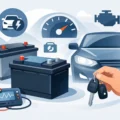
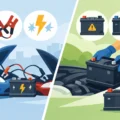
Battery problems are another frequent roadside callout. A weak or discharged battery may only need a jump-start. If testing shows the battery has failed, a technician can often replace it onsite with a compatible new unit. That saves the time and inconvenience of arranging a tow just to solve a straightforward electrical issue.
Roadside assistance is also appropriate for minor fuel delivery needs, basic lockout situations, overheating checks, and select warning-light concerns. The technician will assess whether the car can be driven safely after the immediate issue is addressed. A professional assessment is especially valuable because a warning light can point to anything from a loose fuel cap to a fault that requires workshop diagnostics.
The best roadside service does more than provide a quick fix. It explains what was found, confirms what work was completed, and tells you clearly whether the vehicle is safe to drive. That transparency is essential when you are making decisions under pressure.
Common Onsite Services
Roadside support can solve a wide range of everyday breakdowns, including:
- Jump-starts and battery testing
- Battery replacement
- Tire changes and basic tire support
- Emergency fuel delivery
- Minor electrical checks
- Basic diagnostic assessment
- AC and cooling-system checks where appropriate
Not every issue has an onsite solution, but an experienced technician can quickly determine whether repair, monitoring, or recovery is the safest next move.
When Towing Is the Safer Decision
Towing should be your first choice when the vehicle is unsafe, undrivable, heavily damaged, or showing signs of serious mechanical trouble. Trying to drive in these conditions can turn a repairable fault into a much larger bill.
Call for towing after a collision if there is visible damage to the wheels, steering, suspension, lights, body structure, or undercarriage. Even if the engine starts, the vehicle may not be safe to operate. A car that pulls sharply, has a crooked steering wheel, leaks fluid, or has a wheel sitting at an unusual angle should not be driven.
Engine and transmission faults are also strong reasons to arrange recovery. Stop driving if the engine temperature is dangerously high, the oil-pressure warning appears, smoke is coming from the vehicle, or you hear severe knocking, grinding, or metallic noises. These are not problems to test by driving a few more miles.
A tow is also the correct response when a tire blowout has caused wheel damage, when multiple tires are flat, when the vehicle is stuck, or when the car will not start after a proper battery and electrical check. In these cases, moving the vehicle to a workshop allows for complete diagnostics and repair with the correct equipment.
There is no advantage in forcing an unsafe vehicle to move. Recovery protects the car, other road users, and your own safety. It also gives a workshop technician the opportunity to inspect related systems that may have been affected by the original failure.
How a Professional Technician Decides
The decision between roadside help and towing should not be guesswork. A qualified technician starts with the vehicle’s condition, location, warning signs, and safety risks.
First, they check whether the vehicle can be safely accessed and whether the roadside environment allows an onsite repair. A simple battery replacement in a secure parking area is very different from a breakdown on a high-speed road or in an unsafe traffic position. Safety always comes first.
Next comes a basic diagnosis. For a no-start condition, the technician may test the battery, charging system, connections, and visible electrical components. For a flat tire, they inspect the tire, spare, wheel, and surrounding suspension area. For overheating, they look for warning signs that indicate whether a simple cooling issue is possible or whether the engine needs immediate recovery.
Finally, the technician determines whether the repair will restore safe operation. “The car starts” is not the same as “the car is roadworthy.” If the fault remains unclear, the warning returns, or the vehicle cannot be confidently cleared for driving, towing is the responsible recommendation.
What to Do While You Wait for Help
Once you request assistance, focus on making the situation safer and easier to resolve. Move the car out of traffic only if it can be done safely. Turn on hazard lights, keep passengers away from moving vehicles, and avoid standing near the roadway.
When you speak with the service team, provide the vehicle make, model, location, symptoms, and any dashboard warnings. Mention whether the car is in a basement, a tight parking space, or an area with height restrictions. These details help dispatch the right technician or recovery vehicle from the start.
Do not repeatedly attempt to start the engine if you smell fuel, see smoke, notice a major fluid leak, or hear severe mechanical noise. Do not open a hot radiator cap. If a tire has failed at speed, avoid driving on the damaged tire unless moving a very short distance is necessary for immediate safety.
If you can, take a quick photo of warning lights, visible damage, or the tire condition. This can help the technician prepare before arrival and gives you a clear record of the issue.
Avoiding the Next Breakdown
Emergency support is there when you need it, but regular maintenance reduces how often you need it. Batteries, tires, brakes, engine oil, cooling systems, and AC components all show warning signs before many roadside failures occur.
A scheduled inspection can identify a weakening battery before it leaves you stranded. Tire checks can catch low tread, sidewall damage, and pressure loss before a puncture becomes a blowout. Routine oil and fluid service helps prevent overheating and engine wear, while diagnostic checks can investigate warning lights before they develop into a no-start situation.
For drivers who want one point of contact for urgent help and planned maintenance, 800 Shelby Garage combines roadside response, vehicle recovery, diagnostics, repairs, batteries, tires, and scheduled service. That means the team handling your immediate problem can also help address the underlying cause.
The practical rule is simple: choose roadside assistance when a technician can safely solve the problem where you are. Choose towing when the vehicle is damaged, uncertain, or unsafe to drive. A fast professional assessment gives you the confidence to make the right move without risking your vehicle or your schedule.