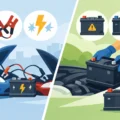
Minor Service vs Major: Which Visit Does Your Car Need?
A dashboard warning light, slow engine start, or weak air conditioning rarely appears at a convenient time. For busy drivers, the real question is not whether a car needs attention, but whether to book a minor service vs major service. Choosing the right visit keeps maintenance practical, controls repair costs, and helps avoid a breakdown on the road.
Minor Service vs Major Service: The Key Difference
A minor service is a routine maintenance visit focused on keeping essential systems operating correctly between larger inspections. It usually covers items that wear quickly or require regular replacement, such as engine oil, the oil filter, and basic fluid checks. Think of it as the service that keeps your vehicle on schedule and gives a technician an opportunity to spot early concerns.
A major service is more comprehensive. It combines the basics of a minor service with deeper inspections, additional filters or fluids where required, and checks on systems that can affect safety, performance, and reliability. The exact scope depends on your vehicle’s make, model, age, mileage, engine type, and manufacturer maintenance schedule.
Neither service is automatically better. A newer vehicle with low mileage may only need routine maintenance, while an older car, a high-mileage vehicle, or a car that has missed past service intervals may need a major inspection sooner. The right choice comes down to the vehicle’s condition, not just the calendar.
What a Minor Service Usually Covers
A minor service is designed for regular upkeep. It is commonly booked at the manufacturer’s recommended interval or after a set mileage period. For drivers who use their vehicle every day, it is a practical way to protect the engine and catch issues before they become expensive repairs.
The core work generally includes an engine oil and oil filter change, along with checks of important operating fluids. A technician may inspect coolant, brake fluid, windshield washer fluid, transmission fluid where accessible, and power steering fluid on vehicles that use it. Tire condition and pressure, battery health, lights, wiper blades, brakes, belts, and visible leaks should also be reviewed.
The service is not only about changing oil. Oil that has broken down or become contaminated cannot protect engine components properly. Ignoring routine oil changes can lead to overheating, poor performance, internal wear, and significantly higher repair bills later.
A minor service is often the right choice when your car is running normally, no warning lights are active, and you are simply due for scheduled maintenance. It is also useful before a long drive, after a season of heavy use, or when you want a professional condition check without the cost and time of a full major service.
What a Major Service Can Include
A major service starts with the routine items covered during a minor visit, then goes further into the systems that need periodic inspection or replacement. It is intended to address wear that is not always visible during a quick check and to confirm the vehicle remains safe for daily driving.
Depending on the service schedule and vehicle condition, a major service may include replacement of the engine air filter and cabin air filter, a more detailed brake inspection, spark plug checks or replacement, and a battery test. Technicians may also inspect suspension components, steering parts, wheel bearings, drive belts, hoses, exhaust components, cooling system condition, and transmission operation.
Fluid condition matters too. Some vehicles require brake fluid, coolant, transmission fluid, or differential fluid at specific intervals. These are not universal replacements. A professional technician should follow the manufacturer’s requirements and explain why a fluid needs changing instead of adding unnecessary work to the invoice.
Advanced diagnostics are particularly valuable during a major service. A scan can identify stored fault codes even when a warning light is not currently displayed. This can reveal developing problems with sensors, ignition, emissions equipment, charging systems, or engine management before they affect drivability.
When Should You Book a Minor or Major Service?
Start with your owner’s manual and service history. Manufacturers set maintenance intervals based on mileage, time, engine design, and expected operating conditions. If you bought a used vehicle and do not have clear records, a major service or detailed inspection is often the safer starting point. It establishes a reliable baseline for future maintenance.
Book a minor service when you are due for routine oil maintenance and the car has no unusual symptoms. Choose a major service when the vehicle has reached a larger mileage interval, has not been serviced consistently, or shows signs that basic maintenance alone may not address.
These signs deserve a closer inspection:
- Rough idling, reduced acceleration, or increased fuel consumption
- Squealing brakes, vibration while braking, or a soft brake pedal
- Hard starting, dim lights, or a battery warning indicator
- Engine overheating, coolant loss, or visible fluid leaks
- AC that no longer cools effectively or unusual odors from the vents
A major service is not a substitute for urgent repair. If the check engine light is flashing, the engine is overheating, braking feels unsafe, or the car will not start, request diagnostics or roadside assistance immediately. Continuing to drive can turn a manageable repair into a serious failure.
Why Driving Conditions Can Change the Service Plan
Service intervals are guidelines, but real driving conditions matter. Stop-and-go commuting, long idle periods, frequent short trips, heavy loads, high temperatures, dust exposure, and extended highway driving can all increase wear. A car used for family travel, work appointments, or fleet duties may need more frequent attention than a lightly used weekend vehicle.
Heat places extra stress on batteries, cooling systems, tires, and air conditioning. Dust can clog air filters faster, while heavy traffic puts more demand on brakes and engine oil. That is why a standard schedule should be adjusted when a technician finds evidence of accelerated wear.
For example, a battery may pass a basic test but still show reduced capacity under load. Replacing it before it fails can prevent an inconvenient no-start situation. Likewise, uneven tire wear can point to alignment or suspension concerns that should be corrected before new tires are fitted.
Get Clear Advice Before Approving Work
The best maintenance experience is straightforward. Ask what is included in the quoted service, which items are being replaced, and whether any recommended repair is urgent, upcoming, or optional. You should receive a clear explanation of the vehicle’s condition and the reason behind additional work.
At 800 Shelby Garage, technicians can assess routine maintenance needs, perform diagnostics, and provide support when a battery, tire, brake, or roadside issue cannot wait. That combination helps drivers handle scheduled care and unexpected problems through one service partner.
Avoid choosing a service only because it has the lowest starting price. A low-cost oil change can be useful, but it may not include the inspection depth your car needs. On the other hand, paying for a full major service too early may not make sense when the vehicle is well maintained and the manufacturer schedule does not call for it. Clear service records and an honest inspection make the decision easier.
Keep Maintenance From Becoming an Emergency
Set a reminder based on your last service date and mileage, then act before warning signs force the decision. Keep invoices and inspection reports, monitor tire pressure and fluid levels between visits, and pay attention to changes in starting, braking, steering, cooling, and engine response.
A minor service keeps routine wear under control. A major service gives the vehicle a deeper health check at the intervals that matter most. Book the service your car actually needs now, and you are far less likely to spend your next free hour waiting beside the road.