How to Prepare Car for Summer in 10 Checks
A Dubai summer can expose a weak battery, underperforming AC system, worn tire, or low coolant level in one afternoon. Knowing how to prepare car for summer means addressing those small warning signs before they turn into a roadside stop, an overheated engine, or an uncomfortable commute. A focused pre-summer inspection protects your time, your passengers, and your vehicle.
How to Prepare Car for Summer Before the Heat Builds
Summer preparation is not one service item. It is a practical check of the systems that work hardest in high temperatures: cooling, air conditioning, tires, battery, fluids, brakes, and visibility. If your car has missed scheduled maintenance, has recently shown a dashboard warning light, or feels different on the road, book an inspection early rather than waiting for the hottest weeks.
The right timing depends on your driving. A vehicle used for daily office travel, school runs, long highway drives, or delivery work needs a more thorough check than a car that stays parked most of the week. High-mileage vehicles and older cars also benefit from extra attention to rubber hoses, belts, seals, and electrical components.
1. Test the AC Before You Need It
Your air conditioning system should cool quickly, maintain a stable temperature, and blow with consistent force from every vent. If the air is only mildly cool, the airflow is weak, there is an unusual smell, or the system makes a new noise when switched on, do not ignore it. These signs can point to low refrigerant, a blocked cabin filter, a failing compressor, or an electrical issue.
An AC gas refill may restore cooling when refrigerant is low, but it is not always the complete answer. Refrigerant does not normally disappear without a reason. If the system needs frequent refills, a technician should check for a leak before adding more gas. Replacing a dirty cabin air filter can also improve airflow and help reduce dust inside the vehicle.
2. Inspect the Cooling System and Coolant Level
Your engine cooling system is your main defense against overheating. Check the coolant reservoir only when the engine is cold, and make sure the level sits between the minimum and maximum marks. Look for leaks under the car, white or colored residue around hoses, and any sweet smell that may indicate escaping coolant.
Do not top up with plain water as a long-term solution. The correct coolant mixture helps manage heat, protect internal components from corrosion, and maintain proper system performance. A technician should inspect the radiator, hoses, cap, thermostat, cooling fan, and water pump if the temperature gauge rises above normal, coolant levels drop repeatedly, or you have seen an overheating warning.
3. Check Battery Health, Not Just Battery Power
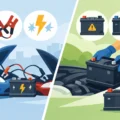
Heat can shorten battery life, particularly when a battery is already weak. High temperatures speed up chemical wear inside the unit, while corrosion at the terminals can reduce the power available to start the engine. A car may start normally in the morning and still struggle after sitting in the sun.
Ask for a battery test that checks charge level and starting capacity. Inspect the terminals for buildup and ensure the battery is mounted securely. If your battery is several years old, replacement before failure is usually more convenient than waiting for a jump-start in a parking lot or on the roadside.
4. Set Tire Pressure for Real Summer Conditions
Tires carry more risk in extreme heat because hot road surfaces and underinflation increase stress on the rubber. Check pressure when the tires are cold, preferably before driving, and use the vehicle manufacturer’s recommended setting shown on the driver’s door label or in the owner’s manual. Do not rely only on the maximum pressure printed on the tire sidewall.
Also inspect tread depth, sidewalls, and tire age. Cracks, bulges, exposed cords, uneven wear, or repeated pressure loss need professional attention. Uneven tire wear may indicate a wheel alignment or suspension issue, while vibration at speed may mean balancing is required.
Pay attention to the spare tire too. A flat spare does not help during an emergency. Make sure it is properly inflated and that the jack, wheel wrench, locking wheel key, and any necessary tools are in the vehicle.
5. Change Engine Oil if Service Is Due
Engine oil lubricates moving parts and helps control operating temperatures. Old or low oil can lose effectiveness during heavy summer driving, especially in stop-and-go traffic. Check the oil level on level ground with the engine off and cooled as recommended by your vehicle manufacturer.
If your next oil change is approaching, complete it before a long trip or a period of frequent driving. Use the correct oil grade for your engine. Choosing a lower-priced oil that does not meet the vehicle specification can create more cost later through reduced protection and poor performance.
6. Check Brake Pads, Fluid, and Brake Response
Summer travel often means more highway driving, more passengers, and more load in the vehicle. That puts greater demand on the braking system. Your brake pedal should feel firm and predictable. Squealing, grinding, vibration through the pedal or steering wheel, longer stopping distance, or a brake warning light all require immediate inspection.
Brake pads wear gradually, so drivers can miss the change until braking performance is affected. A service inspection can assess pad thickness, disc condition, brake fluid level, and signs of leaks. Do not delay brake work because the vehicle still stops. The goal is reliable stopping power before an urgent situation tests it.
7. Replace Worn Wiper Blades and Refill Washer Fluid
Summer dust, insects, road grime, and sudden rain can quickly reduce visibility. Wiper blades that leave streaks, skip across the windshield, or make scraping noises should be replaced. Check both the front and rear wipers if your vehicle has a rear window wiper.
Keep washer fluid topped up with a proper solution rather than plain water. It cleans more effectively and helps remove oily film from the windshield. While you are checking visibility, inspect exterior lights, brake lights, turn signals, and headlamps. Clear lenses and working bulbs make your vehicle easier for other drivers to see.
8. Look at Belts, Hoses, and Rubber Seals
Under-hood rubber components become more vulnerable as temperatures rise. A cracked belt, soft coolant hose, loose clamp, or leaking seal can become a major problem with little warning. Most of these parts are not easy to evaluate from a quick visual check, so include them in a professional inspection if the vehicle is older or has high mileage.
Watch for a squealing belt, coolant odor, fluid drips, or changes in engine temperature. Addressing a hose or belt early is usually far less disruptive than recovering a vehicle after it breaks down.
9. Clean the Cabin and Protect the Interior
A clean car is easier to keep comfortable in summer. Remove unnecessary items from the trunk and cabin, especially aerosols, lighters, electronics, medications, and anything that can be damaged by extreme heat. Vacuum dust from air vents and seats, wipe interior surfaces with suitable products, and clear debris from door drains and windshield channels.
Use a windshield sunshade when parked outdoors. It will not replace a working AC system, but it can reduce cabin heat and help protect the dashboard, steering wheel, and upholstery from harsh sunlight. If leather seats are drying or cracking, a suitable conditioner can help preserve them.
10. Build a Simple Roadside Readiness Kit
A summer-ready car should also be ready for an unexpected stop. Keep drinking water, a charged phone cable, basic first-aid supplies, and reflective safety equipment in the vehicle. For longer routes, add a flashlight and a small tire inflator if you have one.
If a warning light appears, the engine begins overheating, or a tire fails, pull over safely and avoid trying to force the car onward. Continuing to drive an overheating engine can cause serious damage. Professional roadside assistance is the safer option when the problem is unclear or the vehicle is not safe to move.
When to Book a Professional Summer Inspection
Book a service visit before peak heat if your AC is weak, the battery is older, tire tread is low, the vehicle pulls to one side, or any fluid level keeps dropping. It is also wise to schedule a check before road trips, after a long period of low use, or when your last maintenance service is overdue.
At 800 Shelby Garage, technicians can inspect the key systems, handle required maintenance, and provide roadside support when an urgent issue cannot wait. The best summer preparation is simple: fix small problems while they are still small, then drive knowing your car is ready for the heat ahead.